So, you've finally had that tree removed from your backyard. Yet what follows? What should you finish with the staying stump and the mess left? Well, there are some essential actions you require to take to ensure your lawn awaits whatever follows. From stump elimination alternatives to cleaning up the ground, there's more to be done than you could believe. Let's dive into the post-tree removal procedure and obtain your backyard back fit.
Stump Removal and Ground Cleanup
After a tree removal, one crucial action is taking on stump elimination and ground cleaning. Removing the stump is vital not just for visual functions but likewise to stop brand-new shoots from sprouting. You can choose stump grinding, which includes grinding the stump down to wood chips or stump elimination, where the entire stump is dug out. Stump grinding is less invasive and quicker, but stump removal guarantees the entire origin system is gotten rid of. Whichever approach you choose, make certain the location is clear of rocks and debris before continuing.
When the stump is looked after, it's time to focus on ground clean-up. Rake up any type of staying timber chips, leaves, or branches left behind from the tree elimination process. This won't only clean your yard yet also help prepare the ground for the following step in rejuvenating your landscape.
Soil Repair and Fertilization
To appropriately nurture your soil and advertise healthy development, focusing on dirt remediation and fertilization is important. After tree removal, the soil might be diminished of vital nutrients that the tree when soaked up. Begin by examining the soil to identify its pH levels and nutrient shortages.
As soon as you have this information, you can select the ideal plant foods to restore the dirt. Organic choices like garden compost or manure can enhance soil framework and fertility in time. Spread out a layer of garden compost over the area and blend it into the dirt to improve its health and wellness.
In addition, take into consideration using a balanced fertilizer to provide prompt nutrients to support new plant growth. Frequently monitor the dirt's wetness degrees to guarantee that it remains adequately moisturized. By concentrating on soil repair and fertilizing, you can create a nourishing environment for brand-new plants and promote the total health and wellness of your yard.
Growing New Trees and Maintenance
Think about growing brand-new trees in your backyard as an essential action in the direction of renewing the landscape after tree removal. Select native varieties that prosper in your area's environment and dirt problems for optimal growth. Before growing, make sure the picked location has appropriate sunlight, correct drainage, and adequate space for the tree's roots to spread out comfortably.
When planting, dig a hole twice as wide as the origin ball but just as deep. Delicately get rid of the tree from its container, loosen the roots, and place it in the red. Load the hole with soil, tamp it down gently, and water completely. Mulch around the base of the tree to keep dampness and subdue weed development.
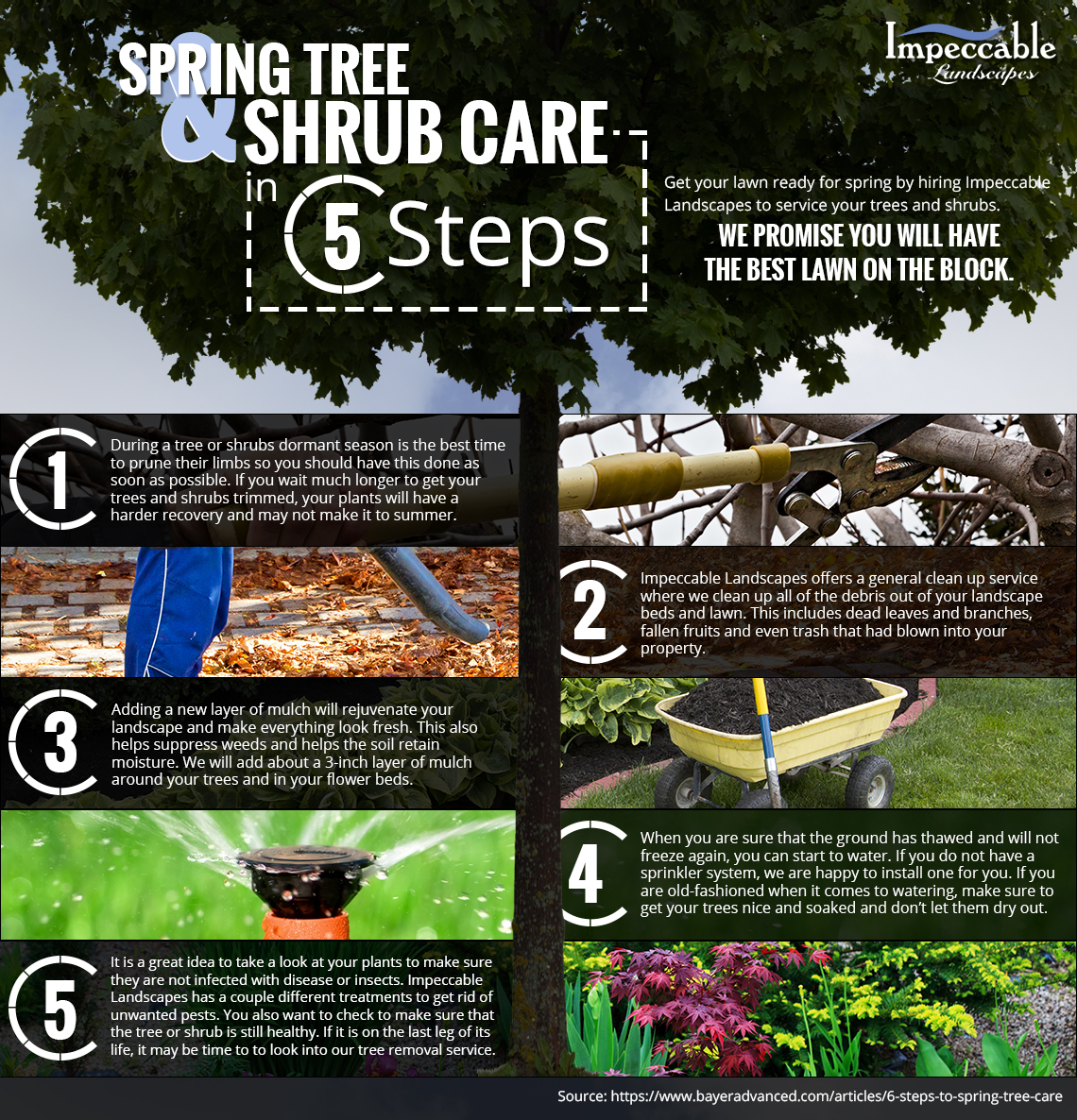
Routine upkeep is vital to making sure the wellness and durability of your brand-new trees. Water them deeply but occasionally, enabling the roots to establish themselves. Prune as needed to get rid of dead or broken branches and form the tree. Screen for signs of insects or diseases, and attend to any issues without delay to stop more damages. By planting https://www.sfchronicle.com/bayarea/article/Man-dies-after-being-struck-by-falling-tree-Mill-15011484.php and offering appropriate care, you can create a vivid and sustainable landscape for several years to come.
Conclusion
Since the tree has been removed, it's time to concentrate on cleaning up the stump and particles, restoring the dirt, and planting new trees. By following these pointers, you can ensure that your lawn remains healthy and balanced and gorgeous for several years ahead. Bear in mind to look after your landscape design to enjoy a properly maintained exterior area. Satisfied gardening!